

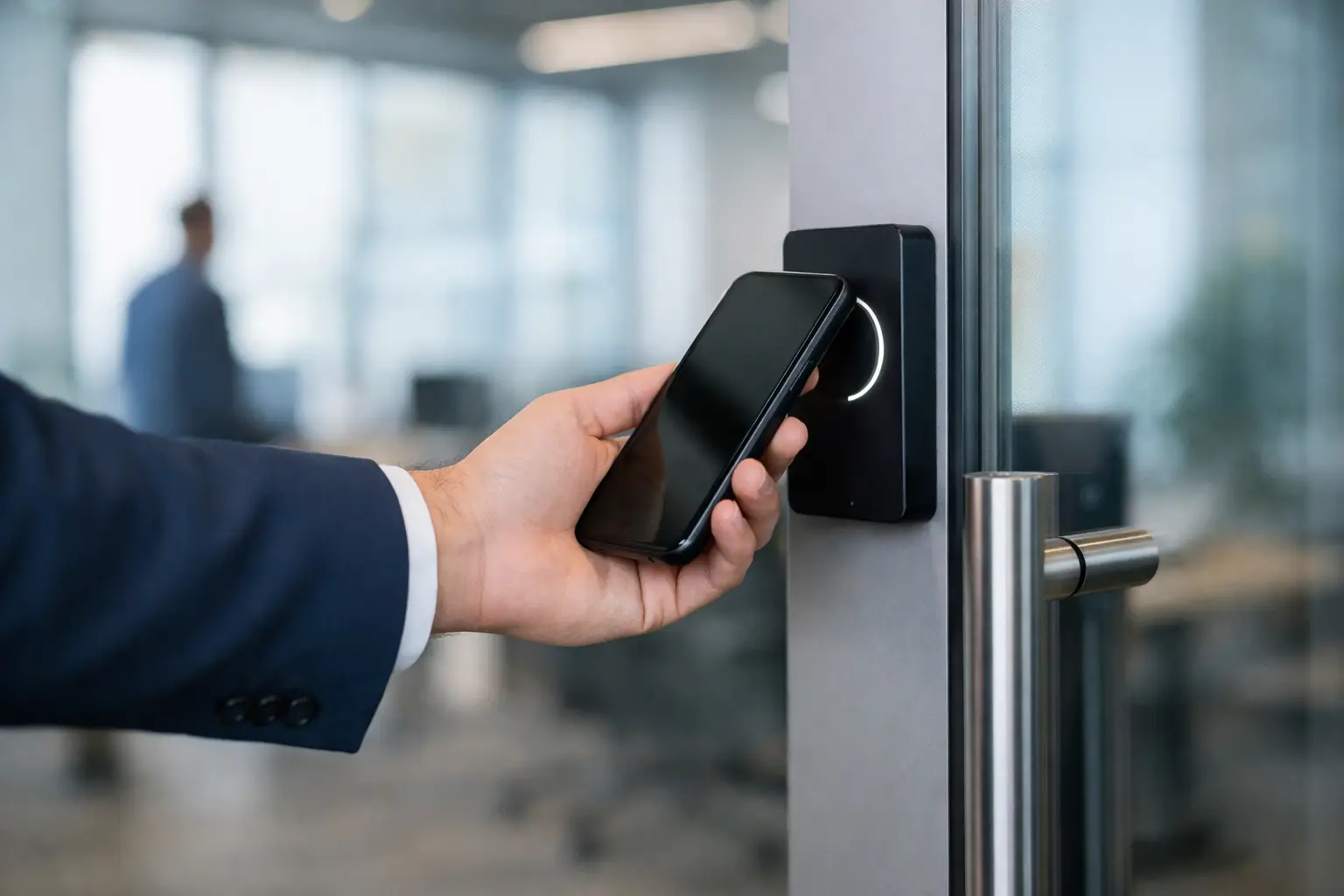
If you are still handing out plastic keycards, rekeying doors after staff turnover, or relying on a server room panel that only one person knows how to manage, this OpenPath access control review is worth your time. For many commercial properties, the real question is not whether cloud-based access control is better. It is whether OpenPath is the right fit for the way your business actually operates.
OpenPath, now part of Avigilon Alta, is designed around mobile credentials, cloud management, and easier administration across one or many locations. On paper, that sounds like exactly what modern businesses want. In practice, the value depends on your facility type, your security expectations, your IT environment, and how well the system is installed.
OpenPath access control review: what stands out
The strongest selling point is convenience without giving up control. Employees can use their phones as credentials, administrators can manage users remotely, and activity logs are available without standing in front of an on-site workstation. For offices, mixed-use commercial buildings, healthcare admin spaces, and retail groups with multiple sites, that can reduce a lot of day-to-day friction.
OpenPath also does a good job on the user experience side. Mobile access is typically faster and less frustrating than old-school badge systems, especially when users are carrying bags, equipment, or deliveries. Touchless entry has practical value, not just novelty value. It helps with traffic flow and can improve compliance when businesses want tighter entry rules without creating bottlenecks.
From an administration standpoint, the cloud dashboard is one of the main reasons buyers consider the platform. Adding users, changing schedules, revoking credentials, and reviewing events are more straightforward than many legacy systems. That matters for property managers and operations teams who do not want door security tied to one aging PC or one former vendor.
Where OpenPath performs well
OpenPath is a strong option for businesses that want centralized management across several doors or several sites. If you operate a professional office, medical office, commercial warehouse, coworking environment, school administration building, or retail portfolio, the platform can simplify credential management significantly.
It is also a good fit for companies with employee turnover, visiting vendors, or changing access schedules. Temporary access can be handled more cleanly than with physical key distribution. That translates into less administrative waste and fewer security gaps.
Another advantage is integration potential. Businesses rarely want access control as a standalone system anymore. They want it to work alongside video surveillance, intercoms, and broader low-voltage infrastructure. OpenPath is often considered because it supports a more connected security environment, which is especially valuable when a facility wants better incident verification instead of isolated door events.
For Southern California commercial properties, that integrated approach matters. A business in Ontario or Los Angeles may be managing deliveries, employee access, after-hours cleaning crews, and vendor traffic across a busy site. A modern access platform helps, but only if the system is designed around real workflows rather than installed as a generic package.
The biggest advantages in day-to-day use
The mobile-first design is the feature most people notice first, but it is not the only reason businesses move to OpenPath. The better reason is operational control. Managers can respond faster when someone loses a phone, leaves the company, or needs schedule changes. Facilities teams can review door activity without depending on a local machine. For multi-tenant or multi-department spaces, permissions can be organized in a way that is easier to maintain.
Remote management is another real advantage. If your organization has more than one location, or if decision-makers are not on-site all day, having visibility without a site visit is useful. That saves time, but more importantly, it reduces delays when access issues affect employees or tenants.
OpenPath also tends to appeal to businesses that care about presentation. A modern, touchless entry experience can feel more professional to staff and visitors. That is not a cosmetic detail. In some environments, especially Class A offices, medical administration spaces, and customer-facing facilities, the security system is part of the overall operational impression.
The trade-offs you should know before buying
No access control platform is perfect for every property, and this is where a realistic OpenPath access control review matters.
First, the cloud-based model is a major benefit for many businesses, but it can also raise questions. Some organizations have strict IT policies, data handling requirements, or internal preferences for local control. That does not automatically disqualify OpenPath, but it does mean the conversation should include network design, user permissions, and administrative responsibility.
Second, mobile credentials are convenient, but not every organization wants to rely on phones as the primary credential. Some employees resist using personal devices. Some facilities need backup methods for visitors, contractors, or users in environments where phone use is restricted. In those cases, a blended approach with cards, fobs, or other credentials may make more sense.
Third, cost can be more nuanced than buyers expect. The hardware, software structure, reader selection, door condition, electrified lock requirements, and installation complexity all affect the final price. A simple front office deployment is one thing. A multi-door commercial property with older hardware, fire-life-safety considerations, and integrated video is something else entirely.
There is also the installation factor, which is often underestimated. Even a strong platform can become frustrating if the door hardware is wrong, the network setup is sloppy, or the credentialing plan is poorly thought out. Access control is not just software. It is a physical security system tied directly to how your doors, users, and business rules function.
How OpenPath compares to legacy access control
Compared with older on-premise systems, OpenPath usually wins on ease of use, remote administration, and scalability. Legacy systems often require more manual maintenance, more specialized knowledge, and more effort to make simple user changes. That can be manageable for a small, stable facility, but it becomes a burden as businesses grow.
Where some legacy systems still hold appeal is familiarity. A facility manager who has used the same platform for ten years may prefer what they know, especially if the site has unusual compliance or hardware requirements. There are cases where keeping an existing system, upgrading parts of it, or using a hybrid approach is the smarter financial decision.
That is why the right question is not whether OpenPath is newer. The right question is whether it improves security operations enough to justify the transition.
Is OpenPath right for your building?
If your business wants easier credential management, remote visibility, modern entry methods, and room to scale, OpenPath is often a strong candidate. It is especially attractive for businesses replacing outdated card systems, opening additional locations, or trying to standardize access rules across multiple departments or properties.
If your site has very specialized compliance requirements, unusual legacy hardware, or decision-makers who want everything managed strictly on-premise, a deeper design review is necessary before moving forward. OpenPath may still work, but the answer is less automatic.
The best results usually come from matching the system to the building rather than forcing the building to match the system. That means reviewing door types, request-to-exit devices, lock power, visitor flow, network readiness, and future expansion before anyone talks about a final number.
Why installation quality matters as much as the platform
A good access control system should feel simple to use because the hard work was handled during design and installation. That includes choosing the right readers, making sure doors latch and release properly, coordinating cabling, and aligning access levels with real business roles.
For commercial buyers, this is often the difference between a system that helps operations and one that creates service calls. A licensed, bonded, and insured commercial installer can identify issues that software alone will not solve, from bad door alignment to underpowered locking hardware to weak infrastructure planning.
That is also where a provider with broader low-voltage experience adds value. When access control, surveillance, intercoms, and cabling are planned together, businesses usually get a cleaner result and fewer compatibility problems later.
OpenPath is a strong platform, but the best buying decision comes from looking beyond brand recognition. If the goal is to secure your business, improve daily access management, and avoid another patchwork system, the right next step is a site-specific evaluation that treats security as part of your operations, not just another door product.